

Pounded – seeds and all – and thoroughly dried it kept the First Nation’s people healthy through severe winters. Simmered low and slow on the stove until the fragrance of cherry fills the kitchen, with just a little sugar the juice becomes a perfect summer drink. Or add a little more sugar (not a lot!)and pectin for jam or jelly. Both types of processing – drying and cooking – neutralize the toxic cyanic acids in the pits. A few eaten raw will not hurt you but the processing also brings out the natural sugars and pectin to thicken and sweeten the final treat.
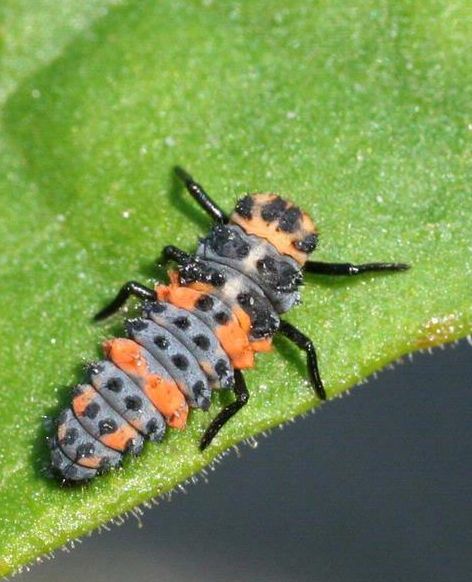
The native chokecherry thrives along the Platte River or high up on Casper Mountain (Wyoming USA). Growing 12 to 20 feet tall (depending on water and soils) it offers: beautiful creamy spring blooms; deep burgundy summer fruit for jams, jellies, pancake syrup, beverages, wine and winter food; and stunning gold and peach fall color. Those leaves drop and become amazing mulch for soil improvement, moisture retention and home to many beneficial insect babies in the spring – like ladybug babies that wander under the leaves like bad-bug wolves eating hundreds of baby aphids.
Chokecherry is a perfect privacy hedge along a back or side yard fence. It loves slightly shaded, damp areas but will grow beautifully in full sun and drier spots, very adaptive shrub! Having evolved here it is more than resistant to local diseases.

And the benefits? The fruit contains the heart-healthy, anti-inflammatory chemicals similar to the Blue Power Fruits (service berry, blueberry, huckleberry, grape, black currant…) but chokecherry is perfectly happy in our salty soils. Other benefits include: wildlife, pollinator and beneficial insect habitat; super winter and drought tolerant; and soil improvement (The next post is on fruit shrubs and soil improvement; stand by!)

And what challenges come with chokecherry? They send up lots of suckers when the first generation branches age out. I tend to recommend that chokecherry be planted where you might use a mower to keep the younger generations under control. They also attract aphids with the new, sweet flower and leaf buds. This also explains lady bugs nesting in the fallen leaves. Best food for baby lady bugs? Soft-bodied, destructive insects like aphids. Confirmation of aphid infestation is the sighting of ants trailing up and down the bush to milk the aphids. I have two ways I reduce the aphids: first, I trim all the tips with colonies and bag them up. Second, I make myself comfortable in a garden chair, with the hose and a spray nozzle and use the high-pressure setting to wash the aphids out of the new growth. They are washed to the surrounding ground where beneficial predator bugs and garden birds do their job.
There are few other native, low maintenance, productive shrubs that grow nice and dense (and function even better with a little pruning) to extend the privacy of your fence in a backyard. Besides privacy, the leaves provide shade in the summer, and when they fall, the branches let a filtered winter light through.
All season helper of a plant….
From The Refuge Nursery at Tara Farm and Nursery Casper Wyoming: $17.50 for two gallon containers. Active Permaculture Students (OLLI) and Customers $15.50.
If you have any questions at all feel free to leave a message here, or email to tarafarmandnursery@gmail.com or text your question or order to The Farm at 307.262.8043
Even with the snow coming, it’s time to get those hands muddy!
 The Refuge Permaculture Center
4 responses to “Native Chokecherry… All Seasons, All Pleasures…and a Warning”
I would like to know where i can buy dried chokecherries prunus virginian. If you could direct me in the right direction. thank you for your time
Hello Cindy. Im afraid I cant help you with that. I did a quick Google search and apparently its very rare to find them dried, with or without seed. Sounds like a nice walk in the woods and a dehydrator/ oven might be your best bet. Good luck!🌱🌱🌱
What spacing should I plant them at for a fence?
Hello Brett: The chokecherry plants in my hedges are planted about 8 to 10 feet apart. Suckers will fill those areas over time. I generally prune those to the ground in mid-June. The first generation of chokecherry will age-out at about 12-15 years. As I see the bark of the elder trees turning darker and cracking at about 10 years I select two or three large, healthy suckers and cut all the others away. The selected ones I pamper to be the next production generation. Let me know if you have any other questions. 🍒🙏🌱